
Free digestive support this month
September 16, 2026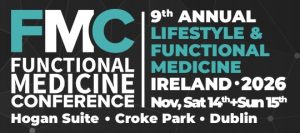
Dr Ciara Wright PhD is speaking at the annual Functional Medicine Conference in November 2026
“How the Perimenopause Sets your Brain on Fire”
Ciara Wright, PhD is speaking at the annual conference for functional medicine practitioners, nutritionists and health professionals this November. The title speaks for itself and those going through the perimenopause may feel this inherently – “How the Perimenopause Sets your Brain on Fire”. This talk covers the hormonal imbalances of the perimenopause and the resulting dysfunction in the brain. Oestrogen and progesterone are not just ‘sex hormones’ – they are neurosteroids, actively and extensively signalling in the brain.
Hormonal imbalance during the perimenopause can lead to neuroinflammation via a cascade of events including mast cell activation and histamine overload. This can disrupt the key support cells in the brain and ultimately disturb signalling between the neurons. In the long run, and if left unchecked, excess neuroinflammation could be setting the stage for later neuroimmune disorders including dementia and Alzheimer’s disease.
Symptoms of the Perimenopause
In the short term, the symptoms of the perimenopause can be life changing and include anxiety, overwhelm, mood disorders, irritability, and feeling like your whole personality has changed. Brain fog and memory issues can affect daily life and productivity. Poor sleep, feeling wired and tired, and unable to shut off is not only exhausting but also feeds into a vicious cycle where the brain is not resting and recovering adequately.
In this talk, Ciara will share the underlying pathology with other healthcare professionals – how do you tackle something unless you understand what is really going on underneath or driving the symptoms? She will share valuable protocols to help balance hormones, reduce inflammation in the brain and tackle the excess histamine that can be a key trigger. Our Nutritionists at Positive Nutrition know the importance of excess histamine and how best to tackle it. This often includes a low histamine diet – though this is only helpful in the short term. Harnessing the gut-brain axis and reducing histamine production at the gut interface has had remarkable success in our practice at addressing neuroinflammation.
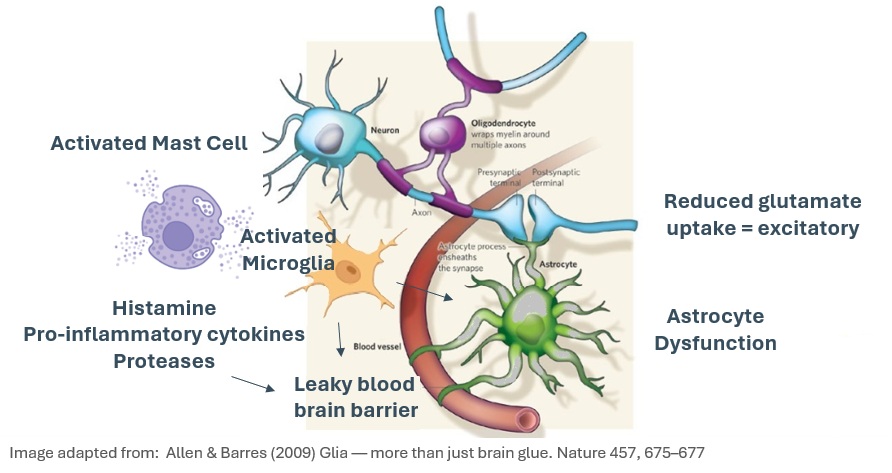
Histamine and mast cell activation drive inflammation in the brain