



Candida Tests


Learn More about our Candida Tests

Blood test (phlebotomy) or dried blood spot (at home)

Measuring Candida antibodies in the blood can be carried out like a regular blood test. At-home options are included in other tests such as the Food Map which includes Candida IgG or an at-home IBS test. Your nutritionist can discuss your best option with you.

This test measures:

  • Candida antibodies

Works well with:

  • GI Ecologix for gut-related candida
  • Vaginal Ecologix for thrush and vaginal symptoms

Luke was experiencing digestive discomfort including nausea, reflux and had a persistent white coating on his tongue. His symptoms worsened with sugar or high carbohydrate intake. He had tried some over the counter anti-fungal remedies but they did not seem to improve his condition.

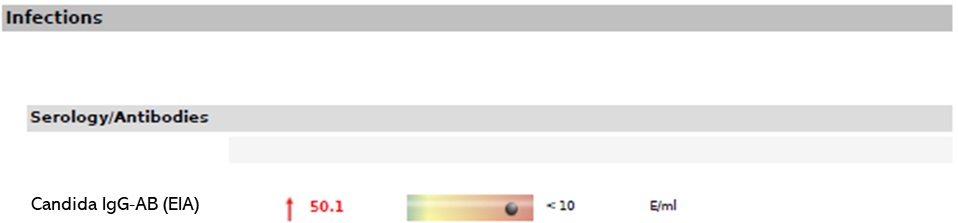
Luke had an endoscopy to rule out other issues and a stool test. He was working on general digestive and immune health. His Candida antibodies were high so he started on a protocol to address this with natural anti-fungal supplements and immune support.

After 3 months, Luke found his symptoms were much improved. He still needed to maintain immune support and stayed on a maintenance plan.

Key Findings:

  • High levels of Candida IgG were detected
Candida FAQ

How can this test help me with my digestion?
The Candida Immunoglobulins Profile measures your immune response (IgA, IgG, and IgM) to Candida albicans, helping us understand whether your body is reacting to this common yeast. Candida is a normal part of the microbiome, but in some cases, overgrowth or immune reactivity may contribute to symptoms such as bloating, gas, altered bowel habits, or food sensitivities. This test does not measure Candida directly in the gut, but instead reflects how your immune system is responding to it. This can be particularly useful where symptoms are persistent or unexplained, helping guide a targeted, personalised approach to diet, microbiome support, and gut health strategies.
What are the typical symptoms of candida?
Candida-related issues can present in a variety of ways, and symptoms are often non-specific and overlapping with other gut conditions. Commonly reported symptoms include: • Bloating and gas • Sugar or carbohydrate cravings • Brain fog or fatigue • Recurrent thrush or fungal infections • Skin issues (e.g. itching, rashes) • Digestive discomfort or irregular bowel habits It’s important to note that these symptoms are not specific to Candida, which is why testing and clinical context are essential before making dietary or treatment decisions.
Should I also do a comprehensive stool test like a GI Map or will this test tell me everything?
In most cases, a stool test such as a GI Map is a better first step for a root-cause approach. Stool testing assesses the gut environment directly — including microbiome balance, Candida presence, other pathogens, digestive function, and inflammation. It helps identify whether there is active overgrowth within the gastrointestinal tract and any underlying drivers. However, stool tests only reflect what is present in the gut at the time of sampling. In some cases, Candida may not appear elevated in stool but may still be contributing to symptoms through systemic immune activation or mucosal imbalance. This is where the Candida Immunoglobulins Profile can add value, by identifying your immune response to Candida, even if stool findings are inconclusive. In practice, stool testing helps identify local gut overgrowth, while this test helps identify immune reactivity, and the two can be complementary depending on your clinical picture