

Oral Microbiome – Oral DNA Labs


Learn More about our Oral Microbiome Test

Saliva sample (at home)

This ground-breaking test assesses the oral microbiome (bacteria and yeast) – a key ecosystem for health. The technique used to examine the microbe populations looks for the presence of DNA (by PCR). This is the most technologically advanced oral microbiome profile to provide accurate analysis of the microbiota abundance.

This test measures:

  • Commensal strains of bacteria normally found in the oral environment
  • Bacterial imbalance or overgrowth of bacteria associated with gingivitis, dental caries, inflammation and periodontitis
  • Pathogenic bacteria linked with chronic inflammation, autoimmune disease, heart disease, neurodegeneration and Alzheimer’s disease

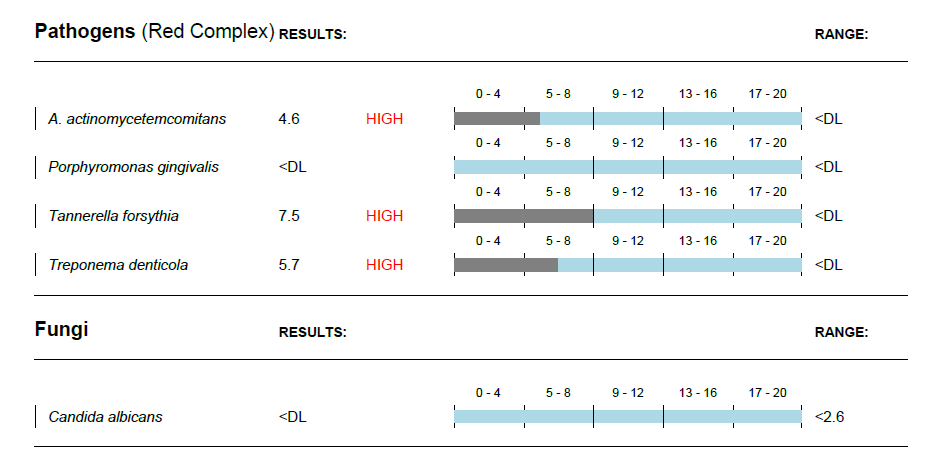
Darren had a strong family history of heart disease and was trying to be as proactive as possible about his own health. He had some mild oral health issues though no significant symptoms. He attended his dentist annually.

His test results showed normal beneficial bacteria but also overgrowth of several unwanted strains, some which are risk factors for heart disease. He started on a protocol to improve his oral microbiome, including adequate hygiene and cleaning, use of oral probiotics and a specific toothpaste which can aid in breaking biofilm that allows unwanted bacteria to ‘hide’.

Key findings:

  • Good levels on beneficial bacteria
  • Three pathogenic strains of bacteria detected, associated with higher risk for inflammation and heart disease
  • No candida or thrush detected

Oral Microbiome Test FAQ

How can this test help me feel better?
The oral microbiome plays an important role in our wider health. Imbalances in oral bacteria have been associated with gum inflammation, bad breath, bleeding gums, and recurrent dental issues — but also with broader concerns such as systemic inflammation, metabolic health, cardiovascular risk, and immune activation. This test evaluates the balance of bacteria in the oral cavity, helping to identify any imbalance that may not yet be causing obvious dental symptoms. By identifying specific microbial patterns, we can guide targeted strategies to support oral ecology, reduce inflammatory burden, and improve overall health resilience. For some individuals, reducing oral inflammation can contribute to improvements in energy, immune balance, and inflammatory symptoms.
Can this test help with fertility?
Emerging research suggests that chronic oral inflammation and certain periodontal pathogens may influence systemic inflammation and immune signalling both of which are relevant in fertility. There is also evidence that oral pathogens can translocate into the bloodstream and have been identified in placental tissue. Disruption in immune balance and inflammatory signalling may potentially influence placental development and implantation processes, particularly in cases of unexplained fertility challenges or recurrent pregnancy loss. While this test is not a fertility test in itself, identifying and addressing oral dysbiosis may be a valuable component of a broader preconception or unexplained infertility. It is best viewed as one piece of a comprehensive, integrative fertility assessment rather than a standalone investigation.
I’ve already been to my dentist, how is this different?
Routine dental visits assess the structural health of your teeth and gums — checking for cavities, gum disease, plaque build-up, and visible inflammation. An oral microbiome test looks deeper at the bacterial composition of the mouth. It identifies specific strains and imbalances that may increase risk for periodontal disease or systemic inflammation, even before structural damage is evident. In short: • Your dentist evaluates clinical and structural health • This test evaluates microbial ecology and inflammatory risk They provide complementary information rather than replacing one another.
I have Long Covid/ME/CFS – can this test help me?
Post-viral syndromes are often associated with immune dysregulation and persistent low-grade inflammation. The oral cavity can act as a reservoir for inflammatory bacteria that continually stimulate the immune system. In some individuals with Long Covid or ME/CFS, addressing sources of chronic inflammatory signalling — including oral dysbiosis — may form part of a broader strategy to reduce immune burden. While this test does not diagnose or treat post-viral conditions, it may help identify an overlooked contributor to systemic inflammation, particularly if gum symptoms, bleeding, or chronic oral issues are present.
My oral teeth and oral hygiene are great; can this test still help from a preventative perspective?
Yes. Good brushing and flossing habits are essential, but microbial imbalances can still occur even in individuals with excellent oral hygiene. This test can identify higher-risk bacterial patterns before significant periodontal disease develops, allowing for targeted preventative strategies. For individuals interested in long-term health optimisation, cardiovascular risk reduction, or fertility preparation, it may offer useful early insight. It is particularly relevant if there is: • A family history of gum disease • Recurrent bleeding gums despite good hygiene • Systemic inflammatory or immune concerns • Interest in proactive health optimisation