

Long COVID
Long COVID affects many systems at once. Your care should too.
We are a functional medicine and nutrition clinic in Dublin and online. Our director, Ciara Wright PhD, had Long COVID for almost four years and is now fully recovered. We research post-exertional malaise, publish case reports and teach other clinicians, and we bring all of that to your care.
Read Ciara's story: from housebound to fully recovered →What Long COVID is
A multisystem condition that needs a whole-body approach
The WHO defines Long COVID as symptoms that start within three months of a COVID-19 infection, last at least two months and are not explained by another diagnosis. In practice it is a diagnosis of exclusion: there is no single blood test that confirms it.
More than 200 symptoms across 10 organ systems have been reported.7 Extreme fatigue is the most common. Others include brain fog, breathlessness, palpitations, dizziness on standing, headaches, gut changes, sleep disruption, pain, tinnitus and new food or chemical sensitivities. Symptoms can fluctuate and relapse, and some appear months after the original infection.
Long COVID often overlaps with conditions that have their own names and management: ME/CFS, POTS and other forms of dysautonomia, and mast cell activation (MCAS). Research points to several processes running at once: immune dysregulation and autoimmunity, microclots and endothelial damage, gut dysbiosis, altered nervous system signalling, and viral persistence with reactivation of latent viruses such as EBV.6 Which of these dominate differs from person to person, which is why we map systems rather than follow one protocol.
Around 90% of people with Long COVID had a mild initial illness that did not need hospital care, according to a Global Burden of Disease analysis of 54 studies and more than 1 million people in 22 countries.5 Because the first infection was often mild, or went unnoticed, many people never connect their symptoms to COVID. Long COVID is likely underdiagnosed, and its symptoms are often labelled as chronic fatigue, or put down to stress, depression or the menopause, without the cause being recognised.
Factors we see linked to higher risk

New survey · open now · November 2026
Still living with Long COVID? Be counted
Many people in Ireland are still living with Long COVID and are not accounted for, and new cases continue with ongoing infections. APC Microbiome Ireland and University College Cork, working with Long COVID Advocacy Ireland, are capturing the lived experience of people with persistent symptoms after any COVID-19 infection.
Complete the surveyYou must be 18 or over to complete the survey.
The 2022 survey of 988 people found 89% had not returned to their pre-COVID health and 38% were severely limited in their ability to work. The findings were widely reported and raised awareness of Long COVID in Ireland.
O'Mahony et al., HRB Open Research 2022 · RTÉ Brainstorm · BBC News
Post-exertional malaise
Screen for PEM before anything else
PEM is a worsening of symptoms after physical, cognitive, emotional or sensory effort you could previously manage. It is usually delayed by 12–72 hours, can last days to weeks, and repeated crashes can lower your baseline. In a large survey of people with ME/CFS, 67% reported crashes that permanently reduced their baseline,8 which is why graded exercise is not recommended when PEM is present.18
PEM is not ordinary tiredness, burnout, deconditioning, a psychological response or a fear response.
How we assess it
A structured PEM history, FUNCAP27 to track functional capacity, and heart rate and HRV from your own wearable.
Our research
The Acid Test linked high waking lactate to days of greater PEM in 132 people (APTA CSM 2026).16 Poster at the international LC-PAIS conference; PEM recommendations paper due 2027.
PEM handout for appointments · Talks for healthcare professionals
Interconnected systems
Which systems might be involved for you?
Long COVID rarely affects one system in isolation. Blood flow problems reduce oxygen to the mitochondria; gut dysbiosis feeds histamine and inflammation; histamine affects the brain and the autonomic nervous system. Choose your main symptoms and the map shows where to look first.
Select your main symptoms
Tap each symptom that describes you. The map and the panel below update as you go.
Not sure where to start? The map is a starting point for a conversation with us. We can help you choose your next best steps.
Make an enquiryTesting
Tests we use to look further
No single test diagnoses Long COVID. We choose tests by the systems your symptoms point to, and GP bloods come first so nothing obvious is missed.
| Test | Where | What it looks at | Systems |
|---|
Worth asking your GP for
Full blood count, iron studies including ferritin, vitamin D, B12 and folate, thyroid function, HbA1c and lipids, liver and kidney function (worth monitoring if you take several medications or supplements), CRP, and ANA (an autoimmune screen). Where relevant, hormone tests including FSH, LH, oestradiol, progesterone and free androgen index.
Medical options
Common treatment paths from doctors
These are prescribed and supervised by your GP or consultant. We work alongside them and adjust nutrition around the medication you take.
Pacing and energy management
First-line for anyone with PEM. Stay within your energy envelope, plan rest before you need it, and use heart rate as an early warning. Graded exercise therapy is not recommended for ME/CFS.18
Nutrition note: regular meals and fluids before activity help keep energy and blood sugar steady, so tasks cost less.
POTS and orthostatic intolerance
- Fluids, salt and electrolytes; compression garments
- Beta blockers such as propranolol; ivabradine; midodrine
- Usually needs a POTS-aware cardiologist
Nutrition note: salt intake, electrolytes, iron status and meal timing before activity all matter here.
Mast cell and histamine
- H1 antihistamines (cetirizine, fexofenadine, loratadine) with or without an H2 blocker (famotidine)
- Mast cell stabilisers: sodium cromolyn (often nasal first), ketotifen
- Montelukast, with monitoring for mood changes
Nutrition note: H2 blockers lower stomach acid, which can affect digestion, nutrient absorption and the microbiome.
Low-dose naltrexone (LDN)
Used off-label for immune modulation, pain and fatigue. Early open-label data are encouraging, including a study at the Mater Hospital, Dublin;21 placebo-controlled trials are in progress.
Note: LDN is prescribed off-label, and not every GP will be familiar with it. It is worth raising at your appointment, and we can share the evidence with your GP.
Blood flow and clotting
- Antiplatelet therapy such as low-dose aspirin
- Combination antiplatelet and anticoagulant "triple therapy" in specialist settings
- Low molecular weight heparin (enoxaparin), as in Ciara's published case9
Nutrition note: bleeding risk rises with fibrinolytic enzymes and fish oils, so these are coordinated with the prescriber. Gut lining and bone support may be needed on longer courses. Statins, sometimes prescribed alongside, can lower CoQ10.
Sleep, pain and mood
Low-dose amitriptyline, SSRIs and melatonin are common. Histamine can blunt serotonin release, which may be one reason SSRIs work less well for some people with mast cell symptoms.
Nutrition note: low-dose amitriptyline can cause constipation and increase appetite, and diet can help with both. Meal planning and blood sugar balance also support sleep, as overnight blood sugar dips can trigger early waking.
Antivirals
Extended courses of Paxlovid (nirmatrelvir/ritonavir) did not improve Long COVID symptoms in the STOP-PASC and RECOVER-VITAL trials.19 Research into viral persistence continues with other agents.
Specialist referral
The HSE runs Post-Acute and Long COVID clinics, accessed through your GP or consultant. Cardiology, immunology, respiratory and neurology referrals depend on your symptoms. We can write a summary for your GP to support a referral.
Supplements
Many options, chosen carefully
There is a long list of supplements with a rationale in Long COVID, but few large trials. People with Long COVID, especially with MCAS or PEM, can react unpredictably, so we are cautious and explain the reasoning and risks of each choice. We do not recommend taking multiple supplements without guidance, to reduce the risk of reactions and setbacks.
How we introduce supplements
- One new product at a time, at a low dose, increased slowly
- Test-guided where possible, so you aren't paying for things you don't need
- Checked against your medications, especially anticoagulants, antihistamines and antidepressants
- Stopped if you react. A reaction tells us something; it isn't a failure
- Symptom relief and a higher baseline are different goals. We track both
| Supplement | Evidence | Why it's used | Cautions |
|---|
Doses are set individually and are not listed here. "No benefit" in a trial means no average benefit; some individuals still respond.

Ciara's story
From housebound to fully recovered
"Many supplements gave me symptomatic relief and daily support for my limited energy, but I was still unable to work, leave the house, or manage daily living without help."
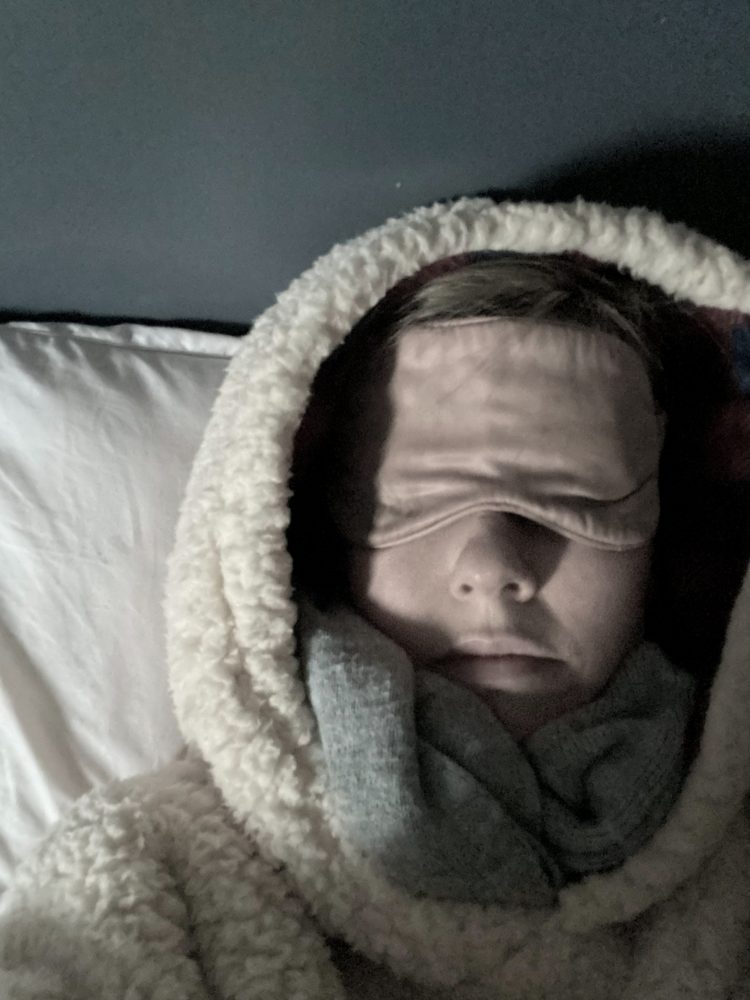
Ciara Wright PhD DipNT, director of Positive Nutrition, had Long COVID for almost four years, with PEM, POTS and histamine intolerance. She was coping with the help of electrolytes, amino acids, multiple supplements and multiple medications. High doses of nattokinase and other systemic enzymes did not lift her baseline. Testing showed raised fibrinogen, and she was prescribed enoxaparin, a low molecular weight heparin. Ciara published her response as a peer-reviewed case report, Treatment of Long COVID with enoxaparin, in the Cardiopulmonary Physical Therapy Journal (2025), co-authored with Prof. Douglas Kell, Prof. Resia Pretorius and Dr David Putrino.
- Before treatment
Housebound with PEM, POTS and histamine intolerance; unable to work, needed help with activities of daily living
- 2023
Multiple supplements, AXA1125, POTS medications, low-histamine diet. Working on gut dysbiosis and leaky gut. Started metformin.
- Dec 2023 – Aug 2024
Enoxaparin. Within weeks, PEM severity, headaches, tinnitus, orthostatic symptoms and cognition all improved; FUNCAP improved to 5.19
- Dec 2024
Diagnosed with a reactivated Bartonella infection; treated with doxycycline and a herbal protocol
- Jul 2025
No PEM; recovery in progress. Cortisol imbalance identified and restored
- Today
Fully recovered, PEM fully resolved, full-time work and exercise. FUNCAP score of 6.
One person's response. Anticoagulants carry real bleeding risks and need specialist supervision, and what works differs between people.
Resources
Tools to take to your appointments
Explaining PEM to a new doctor or physiotherapist takes energy you may not have. These do some of that work for you.
PEM guide for your GP
A two-page handout to bring to your GP. Page one explains what PEM is, how to screen for it, why it changes management and the adaptations that help. Page two is your own PEM profile to fill in before the appointment.
Before an appointment
- List your top three symptoms and what makes them worse
- Note your PEM pattern: trigger, delay, how long it lasts
- Bring a list of all medications and supplements with doses
- Ask to lie down, have the lights dimmed, or do the appointment remotely if you need to
- Bring someone to take notes, or ask for a written summary
Additional resources
- Bateman Horne Center: videos and guides on PEM and pacing
- NASA Lean Test instructions: a gentler at-home orthostatic check. Stop at any point if it is too much
- FUNCAP27 questionnaire: a free, validated way to track what you can manage day to day23
- A wrist heart rate monitor to spot exertion before symptoms catch up
- A simple daily diary: activity, symptoms, sleep, anything new
Research & community
Working with others on Long COVID in Ireland
Take part in research · open now · November 2026
APC Microbiome Ireland Long COVID survey
We collaborate with APC Microbiome Ireland, a UCC and Teagasc research centre in Cork. Their team is studying the experience of Long COVID in Ireland to inform services, care pathways and supports.
- You had COVID-19 or a suspected infection
- You had new symptoms that lasted longer than 2 months
- You are 18 or older and live in Ireland
One anonymous online questionnaire. You can stop and come back to it.
Scan to take partAdvocacy
Long COVID Advocacy Ireland
We work with Long COVID Advocacy Ireland (LCAI), the patient-led group campaigning for recognition, services and research for people with Long COVID in Ireland. LCAI also offers patient support, including online support group meetings and general information about living with Long COVID.
Community
Find Ciara on X. Ciara is also part of the Long COVID community on X, sharing research and information. Connect or message her at @CiaraGlenville.
Pro bono
Our pro bono programme
Long COVID often costs people their income. Our pro bono programme offers a free functional medicine test and a free consultation to people who could not otherwise access care. Places are allocated by lottery, so not everyone who registers will be selected.
Register for a placePublications
Our research
- Treatment of Long COVID with enoxaparin, case report, 20259
- The Acid Test: waking lactate and PEM, 2026
- PEM monitoring recommendations, 2027
Teaching
Workshops for practitioners
We run workshops for practitioners on Long COVID, and teach on a wide range of topics, including the gut microbiome, PEM monitoring and accessible care.
To arrange a workshop or talk, contact us at clinic@positivenutrition.ie
Next step
Talk to us about where to start
A short call helps us understand your main symptoms, whether PEM is present and which tests might be worth doing first. Consultations are available in person or remotely.